On the The exchange of information between UK sovereign tax havens and HMRC

The Bahamas Benefits by being Independent

independent

Could the Bahamas as an independent nation be perfectly poised to benefit from a very British form of FATCA? (Foreign Account Tax Compliance Act)

British “Crown Dependencies and Overseas Territories” (CDOTs) will have to exchange information with Her Majesty’s Revenue & Customs (HMRC) from 2016 onward.  Some of the territories to be effected are:

  • The Turks & Caicos Islands
  • The British Virgin Islands
  • The Channel Islands
  • Monserrat
  • Bermuda
  • Anguilla
  • Gibraltar

This is a major step forward in eroding offshore confidentiality. In particular, if the UK makes the information available to all double tax agreement partners, the impact of such information could be far more reaching than FATCA.

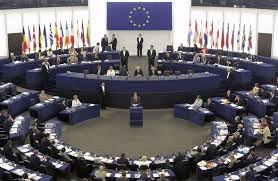
The European Parliament has voted to adopt the amended Fourth Money Laundering Directive, requiring EU member states to set up publicly accessible registries of the beneficial owners of companies and trusts. The decision created a “back door” by which CDOTs have been asked to do the same. After all, how is the UK expected to comply and not request that it’s CDOTs adhere to a similar process.

Have you had a discussion with your wealth planner concerning CDOT compliance?

“Pass it Forward”

What shall I consider when settling a trust?

questions

Are you thinking about an APT?

This post concerns a few basic features that should be considered when settling a trust. Its important to note that nothing in this post or blog should be construed as advice. This post is simply a forum by which practitioners and interested persons can comment on the best succession planning options available.

The basic features that should be considered when settling a trust are:

What form of Trust shall I use?  

  • Answer:  Asset Protection Trust:  The key features of this robust and dynamic form of trust include: its flexibility, its discretionary nature and its capacity to endure perpetually

Do I need a Holding Company?

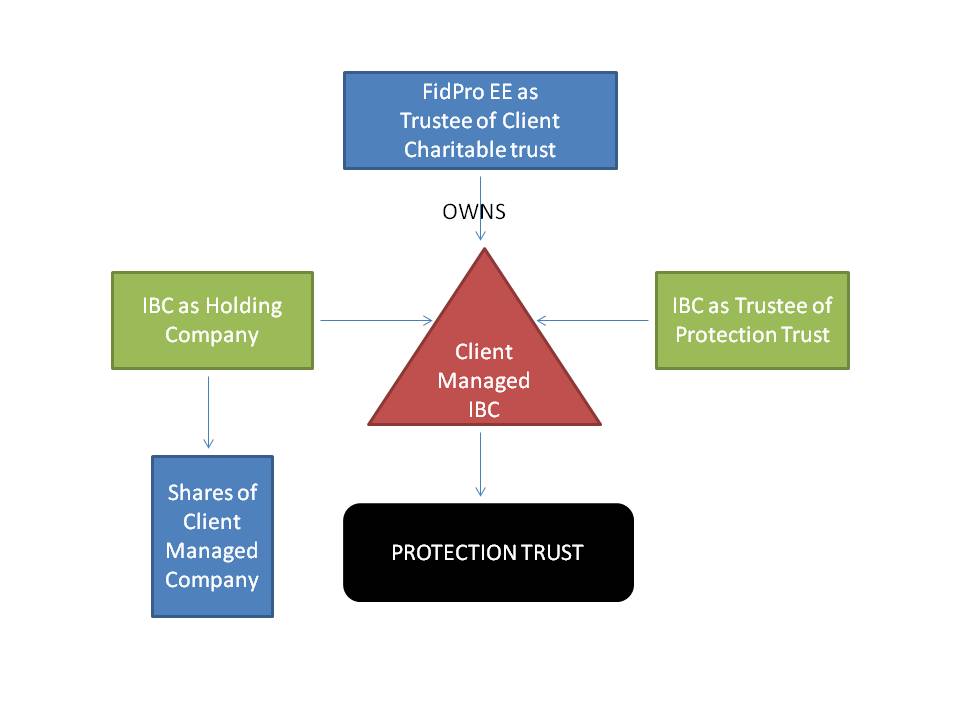
  • Answer:Yes, International Business Company (I.B.C): An I.B.C. is frequently used together with an Asset Protection Trust to properly custodize the trust fund. This arrangement provides significant tax benefits against U.S. estate taxes as well as succession planning when owned by a trust.

How do I get the trustee to exercise it’s discretion?

  • Answer: Letters of Wishes (L.O.W.): LOWs are most often more definitive than the trust instrument. Whilst the trust is considered a core document that contains the terms and conditions of the fiduciary relationship, the LOW is non binding and will usually contain the specifics of the settlor’s intent.

How do I vary the trust if required?

  • Answer: The Trust Protector:  The protector provides a means by which the trustee can add further value to the administration of the trust.

Who will manage the trust investments?

  • Answer: A settlor appointed Investment Advisor:  The IA of an Asset Protection Trust (APT), is tasked with the very important  function of growing and perpetuating the trust fund on behalf of the beneficiaries.

The complexity of a trust instrument depends entirely on the dynamics of the family and purpose of the trust. With this in mind, its important to build provisions in to the trust that provide for maximum fiduciary oversight with minimum fiduciary involvement. E.g. The appointment of an investment advisor and protector. See posts below.

Are the features referred to above included in your trust? Are you thinking about settling an asset protection trust?


“The Trust Protector”

Trust Protector

“Captain Trust Protector” Illustration by M. Collins


The words “Trust Protector” conjures images of a person who swoops in to rescue a beneficiary in distress from an om onus trustee. However in reality, it’s the trustee that relies most frequently on the protector.

The protector is usually a close friend or associate of the settlor who has an intimate understanding of the family’s dynamics.  More importantly, the protector provides a means by which the trustee can add further value to the administration of the trust. E.g.  If a protector has not been appointed, the trustee is significantly deprived due to its inability to vary the trust so that it mirrors the current objectives of the beneficiaries.

In the absence of a protector, the trustee is usually compelled to seek direction from the courts. This process is not only time consuming but expensive and provides no guarantee that a decision will be made in favour of the beneficiaries.

The discretionary powers that are frequently subject to the protector’s consent are as follows:

  • Trusts of Income & Capital
  • Power of Appointment
  • Power to Transfer to Other Trusts
  • Power to Vary the Terms of  the Trust
  • Addition to the Class of Beneficiaries
  • Exclusion from the Class of Beneficiaries
  • Power to Change Governing Law
  • Power to Vary the Trust Period
  • Removal and Appointment of the Trustee

For settlors domiciled in civil law jurisdictions, the notion of an irrevocable trust proves difficult to conceptualize. The ability to appoint a close family friend as protector is frequently the compelling feature that closes “the deal” on an Asset Protection Trust (APT).

With a protector appointed, the settlor receives the tax and succession benefits of a discretionary trust, as well as the flexibility of a directed trust. These attributes make the trust protector a fundamental component of the modern trust instrument.

Have you appointed a protector for your directed trust in the event of disability or death?  Has your asset protection trust been difficult to administer because a protector has not been appointed?


On Letters of Wishes vs Trustees Notes or is it all a direction?

Precatory Words or Direction?

quillpen

“ I should emphasize that I am in no way limiting your discretion or in anyway creating any binding trusts or obligation upon you but merely making you aware of how I would prefer the Trust Fund to be dealt with subject to the powers and discretion conferred upon you under the Trust “.

Can the precatory words above provide protection or is it actually a direction which could determine the mind and management of  a trust? (“Garron” decision April 12 2012)

If a trustee is inclined to follow a Letters of Wishes (LOW), its imperative that the decision making process is documented to illustrate that discretion was exercised. If not, is it possible that the LOW can be construed as a direction?

LOWs are most often more definitive than the trust instrument. Whilst the trust is considered a core document that contains the terms and conditions of the fiduciary relationship, the LOW is non binding and will usually contain the specifics of the settlor’s intent.  This means that in most cases, trustees rarely disclose the LOW unless requested by the settlor. (Londonderry’s Settlement).

Trust practitioners recommend the use of notes as a means to document the intent of the settlor. A well written memorandum marked “without prejudice”  will not only capture the settlor’s intent but also ensure that his wishes are kept completely private and confidential.

Do you have a reason to question whether your trust is discretionary or directed?  Perhaps your trust is discretionary but your LOW is not. Does your LOW provide sufficient information to assist the trustee without crossing the proverbial line of no return.


On the International Business Company of the second part

“The Bahamas’ International Business Company”

IBC 2

The Bahamas International Business Company or I.B.C., has kept pace with the demands of high net worth clients due to benefits such as tax efficiency, ease of administration and low costs. In comparison to the Cayman and British Virgin Isles. equivalents, the Bahamas I.B.C. is fully supported by an Agency Internet Module or AIM that allows the registered agent to manage the I.B.C. via the internet.

More importantly, there is tremendous pressure from the U.K. Home Office to direct British Overseas Territories and Crown Dependencies to transition to a Public Registry of Companies.  As the Bahamas is an independent nation, this could be a game changer as there are numerous reasons why clients require confidentiality that are not tax or fiscal related.

Because a trust is not considered a legal entity in most common law jurisdictions, an I.B.C. is frequently used together with an Asset Protection Trust to properly custodize the trust fund. This arrangement provides significant tax benefits against U.S. estate taxes as well as succession planning.

When the time comes to consider a trust, its important to remember the benefits of using a Bahamian I.B.C. as the holding company for your trust assets.

On The Role of The Bahamas as a Financial Centre

The Bahamas is well known as a financial centre but do we know what really sets us apart from the competition?

Answer: The three most important factors of any business…location, location and location!

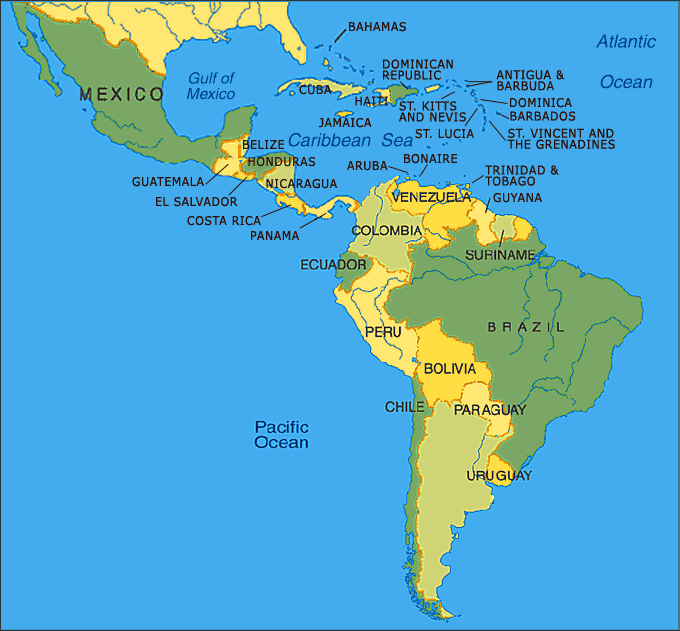
Some economists predict that Latin America (LATAM) will be a front-runner as world economies continue to emerge from recession.  If this is true, should The Bahamas not focus its attention on LATAM entirely? Is The Bahamas perfectly poised to be the premier LATAM financial centre? What synergies are required to ensure that the opportunity is not missed?

Bahamas' proximity to LATAM

Bahamas’ proximity to LATAM


On the trend of Impact Investing.

Impact Investing is an investment method that targets investment capital as a resource for achieving the social and environmental changes typically advocated by philanthropic organizations.   It often concerns the deployment of funds with the expectation of financial reward, where the success of the investments is also contingent upon achieving a stated social or environmental goal.  A fantastic illustration of this form of investment was documented in the attached article by philanthropy today. http://philanthropy.com/blogs/philanthropytoday/investors-devote-13-5-million-to-combat-recidivism-in-new-york/79635

philanthropy

EUROPEAN Parliament approves AML Directive and Open Registries

ep

Europe votes for Open Registries

As expected, a full session of the European Parliament this week voted to adopt the amended Fourth Money Laundering Directive, requiring EU member states to set up publicly accessible registries of the beneficial owners of companies and trusts. A further vote will have to take place after the elections in May, after which it will be put to the Council of Ministers.  Does this mark the end of offshore confidentiality in Europe as we know it? Will this create a “back door” for the U.K. to direct their territories to transition to open registries as well?

On what is a Private Trust Company or PTC?

Image

A Private Trust Company (PTC) is a fantastic solution for succession planning, family governance and gaining ultimate control. A PTC is also used for the purposes of holding very expensive floating assets such as yachts and planes, most of which are discouraged by the big banks. This blog explores the benefits of using a PTC as an alternative to a professional trustee.